
Buying physical gold has never been more accessible, yet the sheer number of online vendors makes it genuinely difficult to know who deserves your trust, or your money. Understanding how to buy bullion safely starts with recognizing that not all dealers operate with the same standards of transparency, pricing, or customer protection. The right seller will clearly disclose premiums, authenticate every product, and carry verifiable credentials from industry bodies like the Professional Numismatists Guild or the American Numismatic Association.
Key Takeaways
- Gold bars are typically 24 karat (nearly 100% gold); coins are usually 22k or 24k.
- Transparent dealers separate metal value, premium, and shipping, prices far below market signal a scam.
- Verify dealers through BBB and Trustpilot reviews and professional-organization memberships.
- Buy recognizable government-minted coins for maximum liquidity and easier resale.
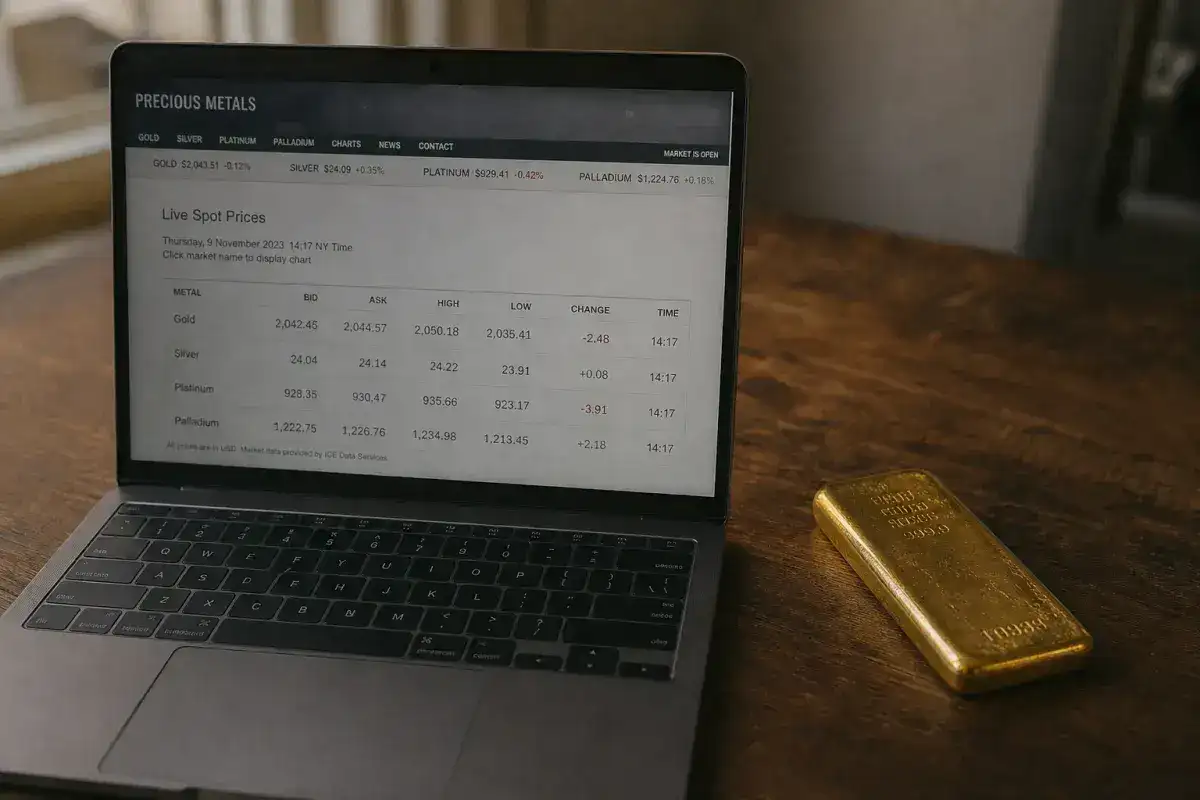
- Check a live spot price ticker before every purchase; prices move daily and any figure cited here will already be outdated.
How should you evaluate what buying bullion really means (coins, bars, and rounds)?
Buying bullion means purchasing gold or silver in a physical, standardized form, coins, bars, or rounds, valued primarily by metal weight and purity, not rarity or collectibility.
Gold and silver coins vs. gold bars vs. silver rounds
Government-minted coins are the most practical starting point. The American Silver Eagle and the oz Canadian Gold Maple Leaf are recognized worldwide, which matters when you eventually sell. Gold bars run .9999 fine (24 karat), while American Gold Eagle coins are struck at 22 karat with copper added for durability. Silver rounds look like coins but carry no government guarantee, they trade closer to spot price, which keeps the premium low.
Liquidity follows familiarity. A 1 oz Canadian Maple Leaf sells faster and with less friction than an obscure private-mint bar.
Karat and purity basics
Gold purity runs from 22 karat (91.7% gold, standard for most coins) to 24 karat (.9999 fine, standard for bars and the Maple Leaf). Silver bullion is almost always .999 fine. The LBMA sets the benchmark for “good delivery” purity standards that reputable gold dealers follow. Sticking to products that meet those benchmarks, and to well-known government issues, keeps both your premiums and your resale risk manageable.
What trade-offs come with how to find trusted gold dealers online?
The shortest path to a reliable dealer: check credentials, read third-party reviews, and confirm shipping and buyback policies before you send a wire or enter card details. A few minutes of due diligence separates a legitimate purchase from a costly mistake.
Dealer credentials and reviews
Look for membership in the Industry Council for Tangible or the Professional Numismatists Guild. Then cross-check on BBB and Trustpilot, patterns of unresolved complaints are a clearer signal than any single review.
A real credential lookup takes under five minutes: search the dealer’s legal business name on BBB (not just the storefront name), check the full complaint history, then confirm they appear in the ICTA member directory. A dealer with an A+ rating but a pattern of delayed shipments tells a different story than the grade alone suggests. If they claim membership but aren’t listed, that discrepancy is itself a red flag. Dealers who sell gold and silver bars, coins, or proof issues from recognized mints tend to back their inventory with documented provenance.
Red flags to avoid
The CFTC precious metals advisory is direct: prices well below spot are the most consistent scam signal in bullion sales. Also verify that shipping is fully insured and trackable, and that the dealer publishes a buyback program with clear terms. No buyback policy means reselling your metal later becomes your problem entirely.
Comparing Established Online Bullion Dealers
A handful of gold dealers dominate the online market because they’ve earned it through years of consistent execution. Knowing where each one fits helps you move faster.
Track record and scale
| Dealer | Founded | Notable Strength | Best For |
|---|---|---|---|
| JM Bullion | 2011 | $10B+ in sales; easy premium comparison | First-time buyers |
| SD Bullion | 2012 | Aggressive pricing on standard products | Lowest-premium buyers |
| Kitco | 1977 | Live market data and charts integrated | Research-minded buyers |
| APMEX | 2000 | Deepest inventory across years, grades, and mints | Hunting a specific product |
JM Bullion crossed $10 billion in cumulative sales by 2023, a strong default for first-time buyers whose next step is comparing premiums across coin and bar formats. SD Bullion, founded by two physicians in 2012, has processed over $5 billion in gold silver transactions and consistently prices aggressively on standard products like Silver Eagles. Kitco has operated since 1977 and doubles as a research tool with live precious metals data alongside purchasing. APMEX carries the deepest inventory of the four, best when you’re hunting a specific year, grade, or mint issue.
Shipping and service
BGASC offers free shipping on orders over $199, which adds up fast when you’re buying several ounces of silver. Beyond price, check business hours and whether live phone support is available, those two details reveal more about how a company operates than any marketing copy will.
How to Buy Gold and Not Get Scammed
Scams in the bullion market rarely look obvious. They usually show up as a price that seems competitive until checkout, where shipping, insurance, and handling quietly add 5–8% on top.
Transparent pricing
Any reputable dealer separates the spot price, the premium, and shipping before you commit. If those numbers aren’t visible line by line, that’s the warning sign. Check a live spot price ticker immediately before you shop, gold and silver prices shift daily, and knowing the current figure makes inflated premiums obvious fast.
The premium is where gold dealers make their margin. A 1 oz American Eagle silver coin typically carries a higher premium than a generic silver round, and that’s normal. What isn’t normal is a dealer who won’t disclose the breakdown.
Secure payment
Bank wires are usually the cheapest payment method with a verified, established dealer. Credit cards cost dealers 2–3% in processing fees, and most pass that cost to you. Wire funds only to dealers you’ve thoroughly vetted, there’s virtually no recourse if something goes wrong with an unknown seller.
How to Spot Fake Bullion
Counterfeit coins and bars exist at every price point. Buy graded or assay-carded products from established mints, then verify what arrives against published specifications. A Royal Canadian Mint Maple Leaf coin comes with documented weight, diameter, and purity you can check immediately on arrival.
Assay and lab testing
Third-party graded coins (NGC, PCGS) carry tamper-evident slabs; assay cards on silver bars include mill certificates. For high-value gold purchases, XRF testing at a local dealer costs very little and removes all doubt.
What to check on arrival
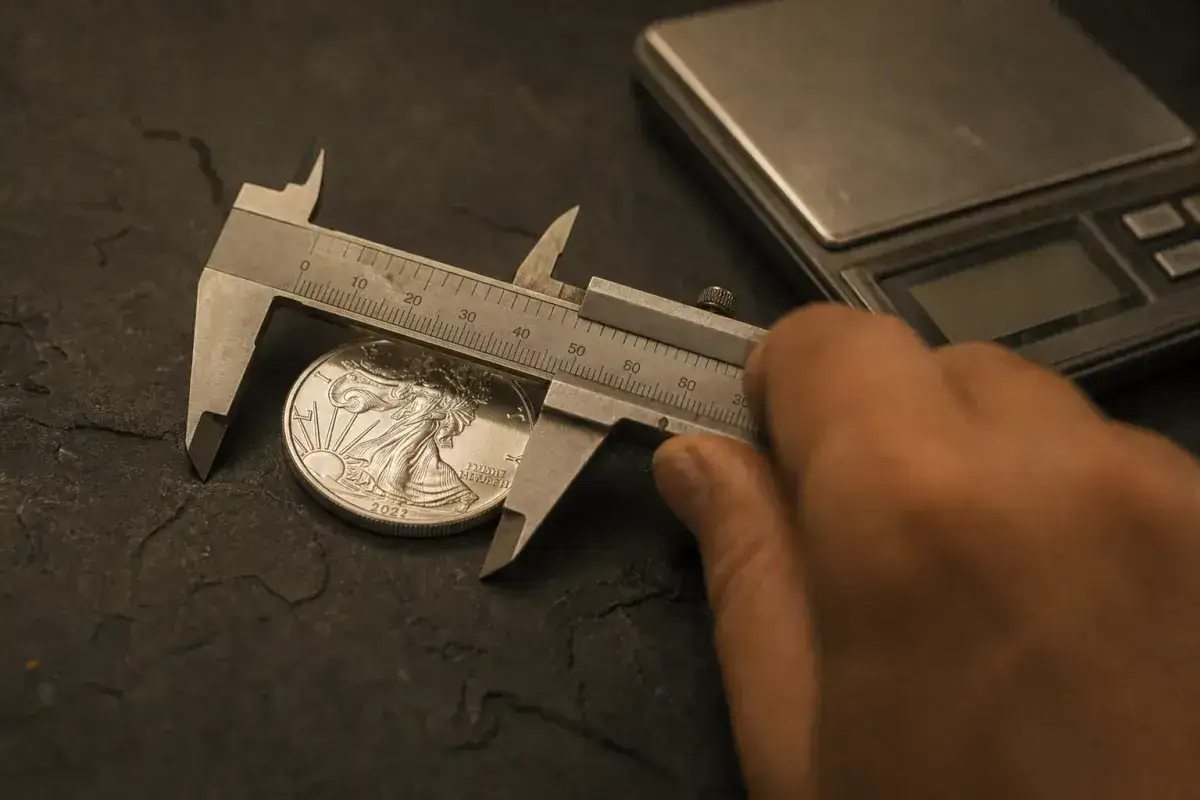
Weigh every coin or bar against its published spec. A genuine 1 oz silver coin should hit 31.1 grams. Check dimensions with calipers, inspect packaging seals, and compare edge reeding on coins to reference images. Any variance worth worrying about shows up fast.
Storing and Selling Your Bullion
Storage options
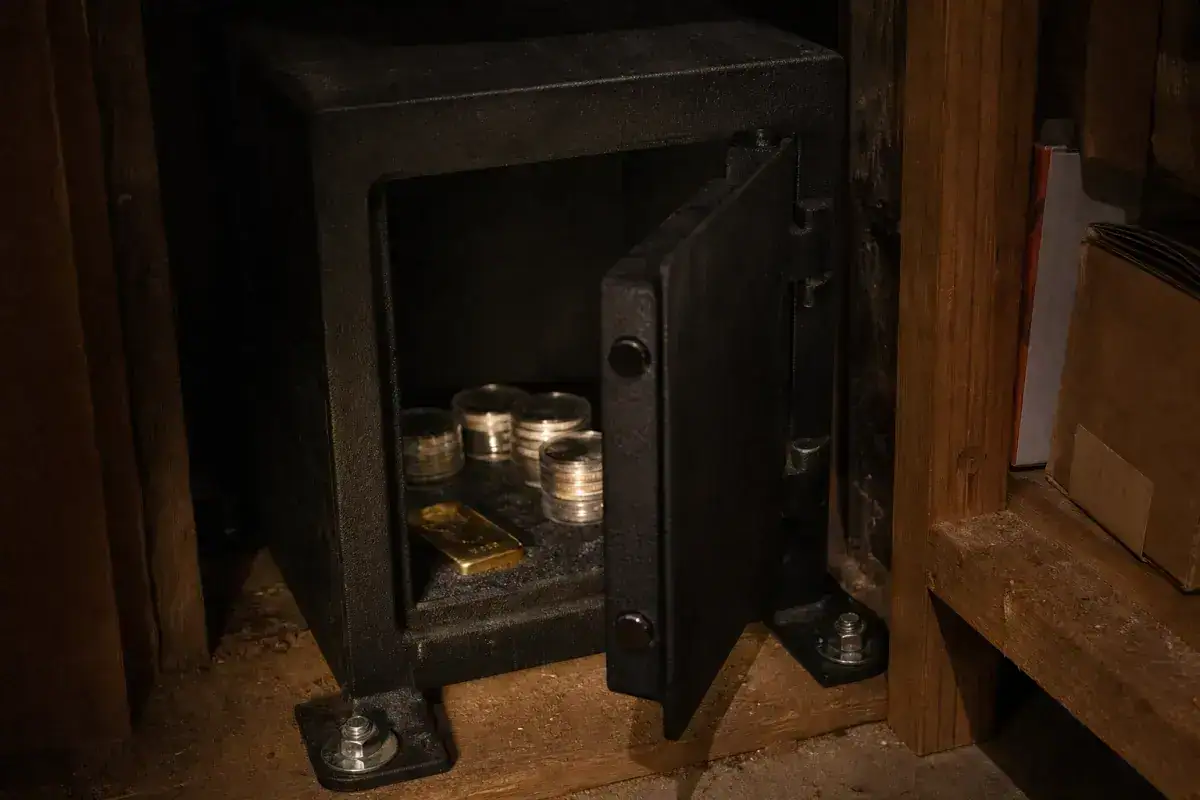
A quality home safe bolted to a floor joist handles smaller collections well. For larger holdings, a professional vault adds protection that a home setup can’t match, and keeps your metals off any visible inventory if your home is ever targeted. Professional storage typically runs $100–$200 per year for modest holdings; weigh that against the risk and insurance limitations of storing significant value at home.
Reselling and buyback
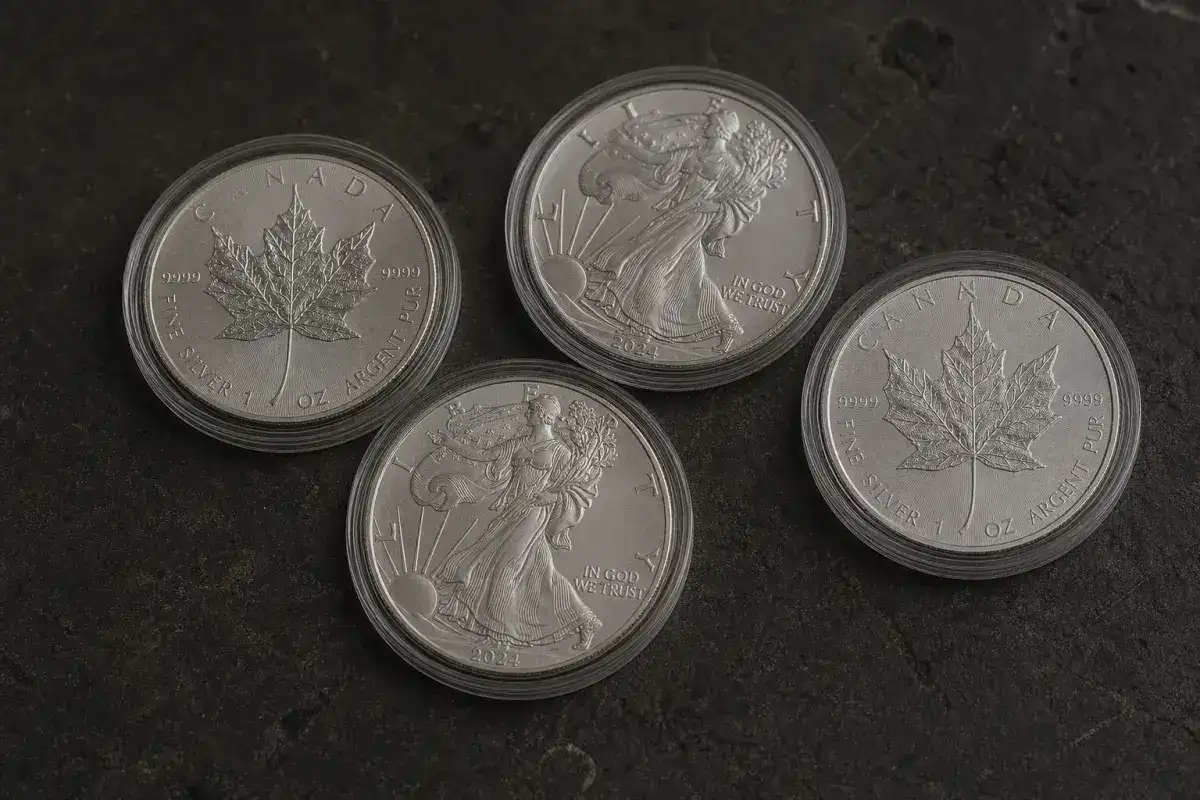
Coins like the Canadian Silver Maple Leaf or American Eagle sell quickly because dealers and collectors recognize them on sight. That liquidity is worth factoring in when deciding what to buy next. Most reputable dealers offer structured buyback programs, so you’re not scrambling for a buyer when you’re ready to exit. The IRS treats physical gold and silver as collectibles, so long-term capital gains are taxed at a maximum rate of 28%, higher than the standard rate for most other investments. Keep purchase receipts and track your cost basis from the start.
Frequently Asked Questions
How do I find trusted gold sellers online?
Check for membership in recognized industry bodies and confirm the dealer lists verifiable contact information, a return policy, and transparent pricing. Verifying a dealer’s credentials before you buy is the single most reliable step you can take.
How can I buy gold and not get scammed?
Prices far below spot are a red flag, not a deal. Pay with a credit card when buying from any dealer you haven’t thoroughly vetted; wire transfers are cheaper, but only use them with established, verified gold dealers.
Where is the safest place to buy gold online?
Established dealers with long track records, clear buyback policies, and third-party grading on coins like the American Eagle or oz Canadian Maple Leaf offer the most protection.
How do I spot fake bullion?
Weight and dimensions should match published specs exactly. NGC or PCGS grading on coins like the Australia Koala 1 oz silver NGC MS 70 adds a second layer of verification no counterfeit survives.
How do I check gold purity with an assay?
An assay test, fire assay or XRF, measures metal composition against the stated fineness. For bars, a manufacturer’s assay card from refiners like PAMP or Valcambi is the standard proof of purity.