Key Takeaways
- Sovereign mints are government-owned and issue legal-tender coins with a face value; private mints produce bars and rounds with no legal-tender status.
- Sovereign coins carry higher premiums but offer stronger global recognition and easier resale.
- Private mint bars and rounds give you more metal per dollar, ideal for weight-focused stacking.
- Both can meet .999+ purity. Verify hallmarks, assay cards, and third-party grading regardless of mint type.
- Face value on sovereign coins is a symbolic government guarantee, not its actual worth.
Sovereign Mints vs Private Mints
A sovereign mint is owned or authorized by a national government and holds the legal authority to issue currency. A private mint is a commercial business that manufactures bullion bars and rounds but cannot produce legal tender.
That single distinction, legal tender status, is what separates the two. Product quality, metal purity, and craftsmanship can be exceptional on both sides of that line.
What defines a sovereign mint
Government ownership or explicit government authorization is the threshold. The U.S. Mint, Royal Canadian Mint, Perth Mint, and Royal Mint all operate under national mandates, which means their coins carry face value and legal tender status backed by a sovereign nation. That backing drives mintage limits, official quality controls, and the collector premiums investors recognize at resale.
What defines a private mint
PAMP Suisse and Sunshine Minting are privately owned manufacturers. They produce gold, silver, platinum, and palladium bars and rounds to high standards, often matching sovereign quality, but their products carry no government guarantee and no face value. For bullion buyers, that means lower premiums in many cases, but also less instant recognition in secondary markets.
Legal Tender, Face Value, and Why Sovereign Coins Carry Both
What legal tender status actually means
A sovereign coin is issued directly by a national government or an authorized body acting on its behalf, so it carries a face value recognized by the issuing country. Private mint rounds and bars have no such backing, no face value, no government standing behind them.
Why face value is symbolic
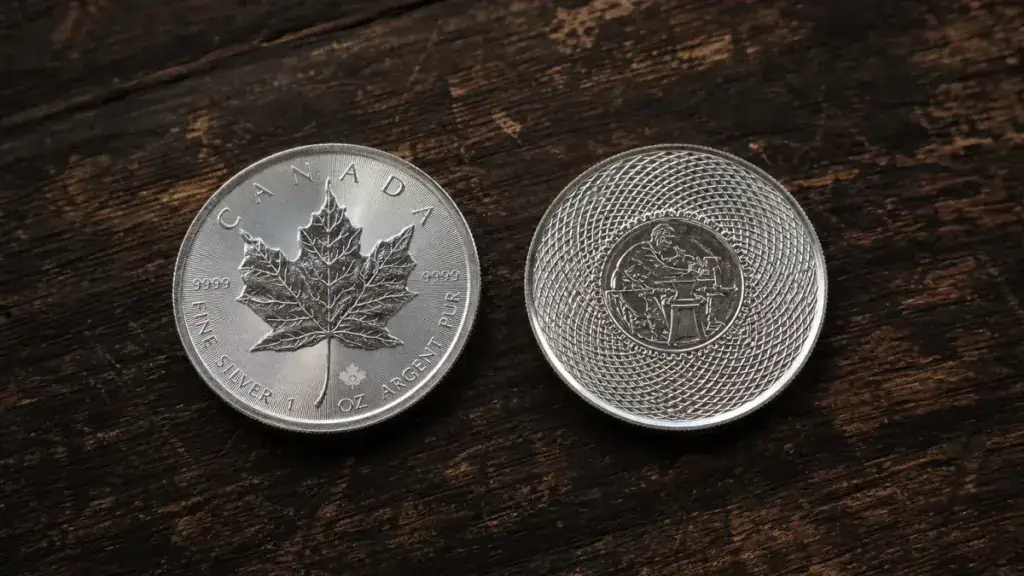
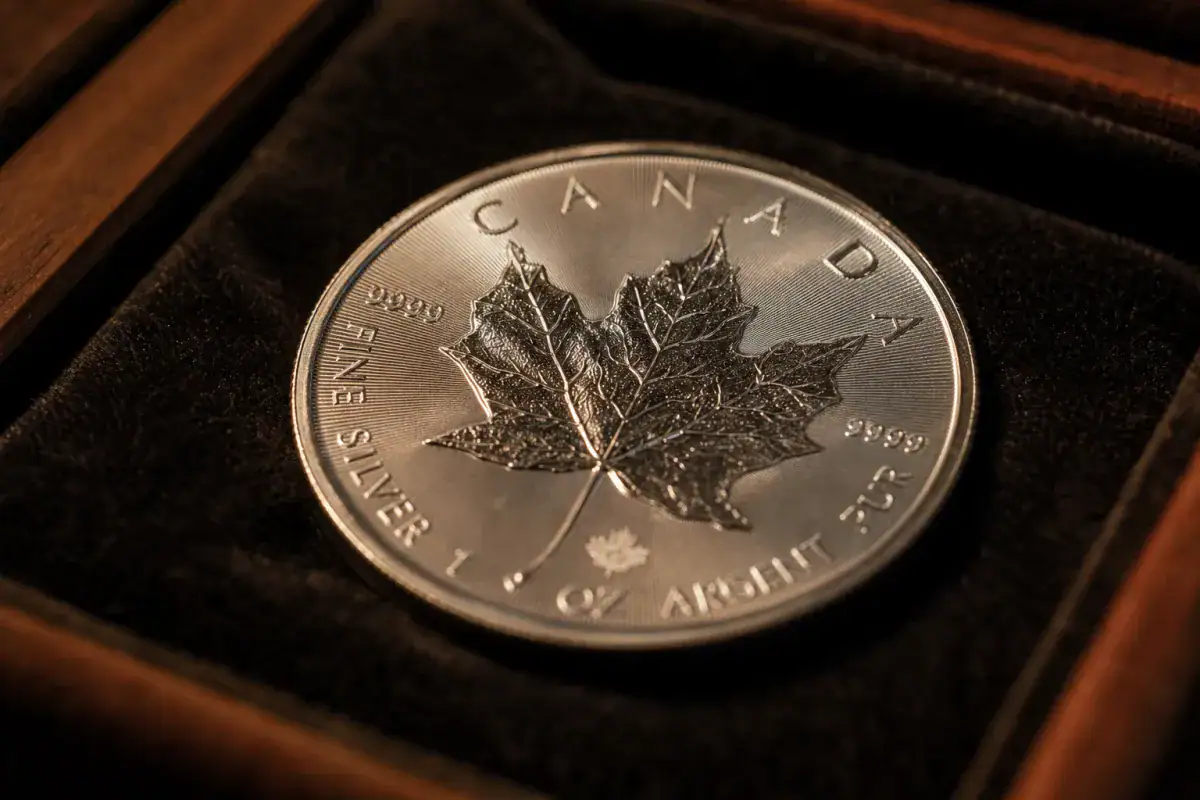
That $5 CAD stamp on a silver coin worth far more in metal is a formality, not spending money. It acts as a government guarantee of authenticity and metal content, nothing else. You wouldn’t spend a Silver Maple Leaf at a cash register any more than you’d use a Krugerrand for groceries.
The distinction matters beyond sentiment. In some jurisdictions, legal tender status affects how bullion is taxed, VAT exemptions and capital gains treatment can differ between sovereign coins and private mint products. Check the rules in your country before you buy.
Purity, Mint Marks, and Product Guarantees Compared
Metal purity and government backing
Sovereign coins carry a legal guarantee behind their specs. The American Eagle, the Maple Leaf, and the Perth Mint’s Kookaburra all publish standardized weights and fineness figures backed by their issuing governments. That legal weight matters at resale because dealers accept it without question.
Reputable private mints close the gap on purity. PAMP Suisse and Sunshine Minting both produce .9999 fine gold and silver bars, and Sunshine’s MintMark SI anti-counterfeit technology is ahead of what most government coins offer.
Mint marks and authentication
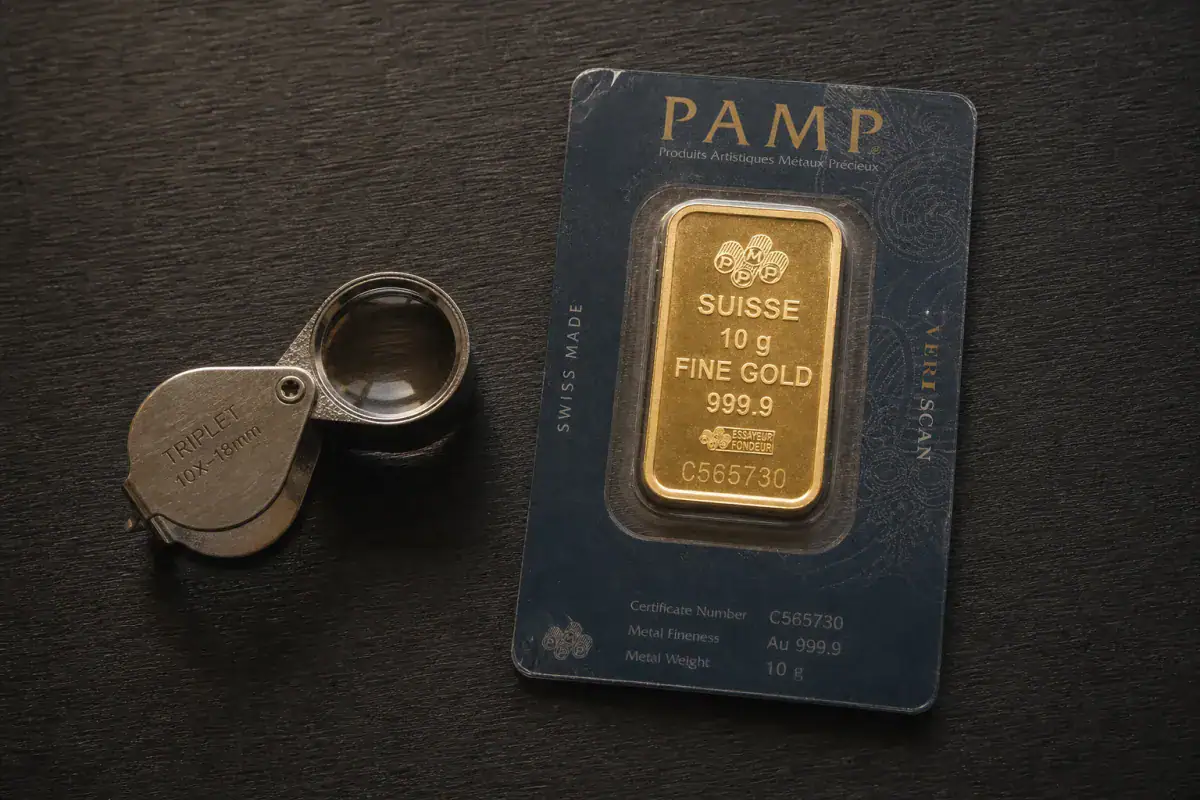
Every sovereign coin carries consistent, well-documented mint marks, the “W” on West Point American Eagles, the maple leaf privy on Canadian issues. Private mint hallmarks work the same way: the PAMP Lady Fortuna design, Valcambi’s assay stamp, and the refiner’s serial number all trace back to the producer.
Regardless of source, verify assay cards on bars and look for NGC or PCGS certification on coins. Recognized branding on either side of the sovereign vs private mint divide is your first line of authentication.
Are Sovereign Coins Worth the Premium Over Private Rounds?
For most buyers, yes, but only if liquidity or recognition matters to you. Sovereign coins from government mints carry higher premiums over spot than private silver bars or rounds, but that cost buys something real: instant global recognition, easier verification, and a broader resale market.
Premium differences at purchase
A 1 oz private round runs 3–5% over spot. That gap is the price of the government guarantee stamped into the metal.
Liquidity and global recognition
If you’re stacking purely by weight, private rounds and bars give you more precious metals per dollar. But when it’s time to sell, sovereign coins move faster and wider. Dealers in London, Tokyo, or Toronto will price a Maple Leaf on sight. A private round from an unfamiliar mint takes more explaining.
Stack private for volume. Choose sovereign when exit flexibility counts.
Which Holds Value Better on Resale?
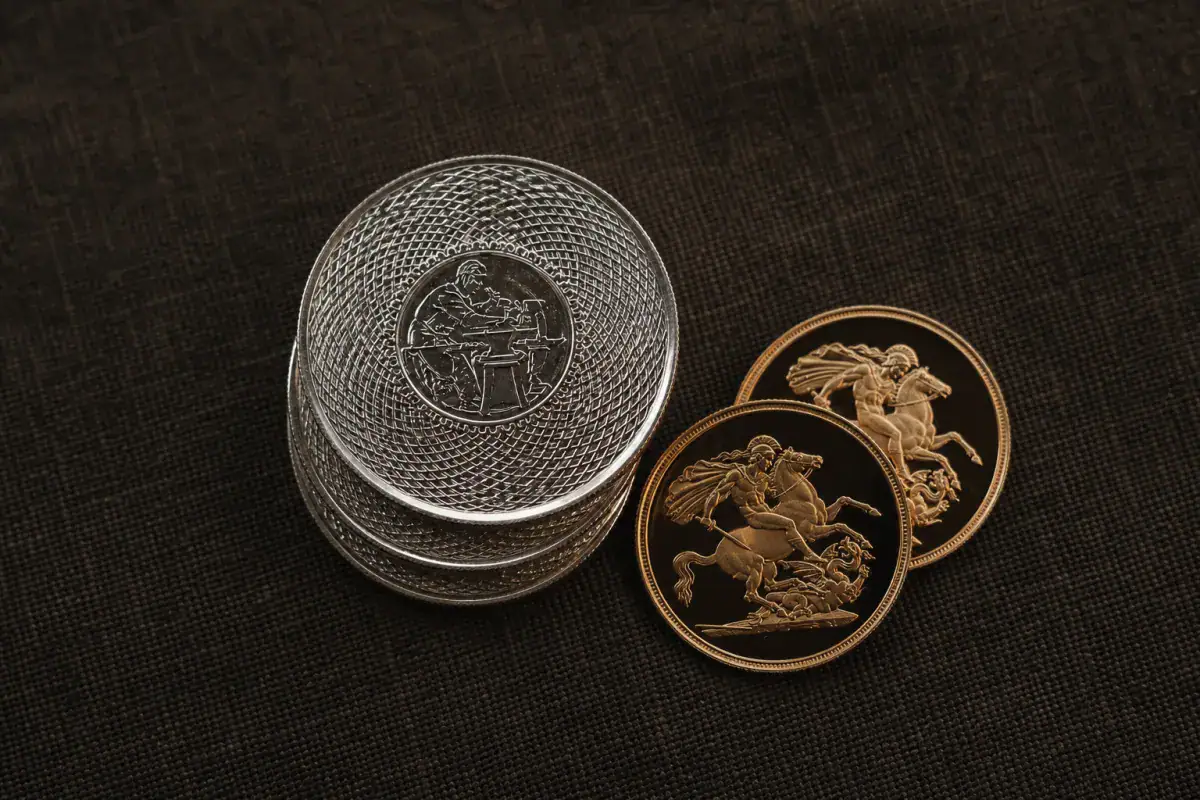
Sovereign coins generally win. Buyers at dealers, auctions, and pawn shops recognize government-issued gold and silver on sight, which means faster sales and premiums that tend to hold. Private bars and rounds price closer to spot, though top-tier brands like PAMP hold their value better than generic bullion rounds.
Resale value of sovereign coins
Rare dates and low-mintage issues can trade well above melt. An NGC-graded MS 70 Australia Koala commands a premium no generic bar could match. Original packaging and certified grades matter here.
Resale value of private products
Most private bars resell at or near spot. A PAMP bar in its original assay card holds better than a loose one. The sovereign vs private mint gap narrows when private metal comes from a recognized refiner with a strong secondary market.
How to Choose Between a Sovereign and Private Mint
The decision mostly comes down to what you’re optimizing for.
| Sovereign Mint | Private Mint | |
|---|---|---|
| Legal tender status | Yes | No |
| Typical premium over spot | 8–12% | 3–5% |
| Global dealer recognition | Immediate | Varies by brand |
| Best for | Liquidity, collecting, resale | Weight-focused stacking |
| Purity | .999–.9999 | .999–.9999 |
For collectors
Sovereign coins carry legal tender status, internationally recognized designs, and the kind of provenance that holds up decades later. An American Silver Eagle is instantly verifiable anywhere precious metals trade. If you’re buying as a gift, building a display collection, or want coins that resell with minimal friction, sovereign and well-established branded products are the safer pick.
For weight-focused investors
Private mint rounds and bars typically trade closer to spot, so you get more silver or gold per dollar. Scottsdale Mint and similar producers offer well-made bullion without the premium a government mint charges for its legal tender designation (governed under 31 USC 5111). If stacking ounces efficiently is the goal, private products do that better.
A practical blend: sovereign coins for a recognizable core, private bars for bulk weight. GR Reserve organizes products by mint, country, and coin weight so you can compare both in one place.
Frequently Asked Questions
What is the difference between a private mint and a sovereign mint?
A sovereign mint operates under government authority and produces legal tender coins with a face value backed by the issuing nation. Private mints are commercial manufacturers that produce rounds and bars with no government guarantee, though their bullion typically meets the same purity standards.
How can you tell what mint a sovereign coin is from?
Check the obverse for a national portrait or emblem and a face value denomination. Most sovereign coins also carry a mint mark, the Perth Mint uses a “P,” and U.S. Mint coins display marks like “W” for West Point or “S” for San Francisco.
Which is the best mint in the world?
It depends on what you’re buying. The Royal Mint, Perth Mint, and U.S. Mint consistently draw the most collector and investor demand. For silver bullion liquidity, American Eagles are hard to beat. For proof quality and colorized work, Perth stands out.
Why do sovereign coins have a face value?
Face value is what makes a coin legal tender in its country of issue. In practice, the melt value of gold or silver always exceeds the nominal denomination, so nobody spends them. The face value is the government’s stamp of authenticity.
Are sovereign coins worth the premium over private rounds?
For most buyers, yes. Sovereign coins carry stronger resale demand, wider dealer acceptance, and the legal-tender backstop private rounds lack. The premium is the price of that liquidity. If you’re buying purely for melt value and plan to hold long-term, private mint bars can make sense on cost. For resale flexibility, sovereigns earn their markup.
Do sovereign or private mint products hold better resale value?
Sovereign coins, across the board. A 1 oz American Eagle or Australian Koala sells to virtually any dealer globally with no questions asked. Private rounds require more vetting at resale, and some buyers discount them or pass entirely. That gap matters most when you need to sell quickly.